What types of bricks can these machines produce?
In the world of construction and sustainable building materials, the cement brick making machine stands out as a significant innovation. As environmental concerns rise, traditional brick-making methods are being scrutinized for their inefficiencies and high carbon footprints. The cement brick maker machine emerges as a solution, offering advanced technology to produce eco-friendly bricks that utilize industrial waste and significantly reduce resource consumption. This article delves into how cement brick machines solve real-world problems, their applications, and why they are essential for modern construction efforts.
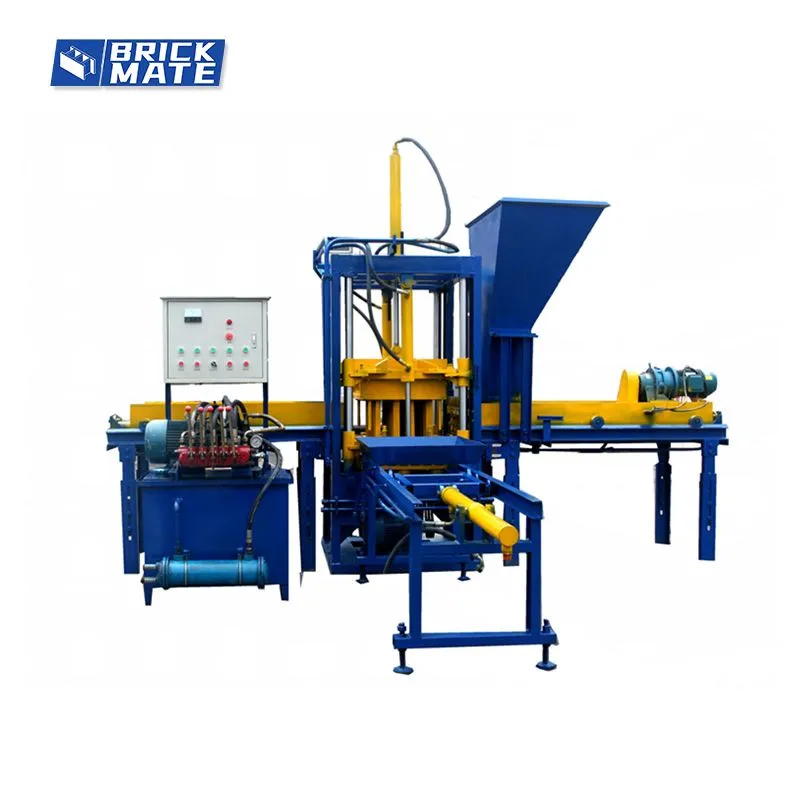
Definition of Cement Brick Making Machine
A cement brick making machine is a mechanical device that compresses raw materials—such as cement, sand, fly ash, and water—into solid bricks. The process involves mixing these materials, followed by a series of operations: molding, curing, and quality control.
Industry Term Analysis
- Hydraulic Press: Many machines use hydraulic systems for brick molding, allowing for uniform pressure application which guarantees consistent brick density and strength.
- Curing: This vital process enhances the strength of the bricks. For example, bricks that undergo standard curing show a compressive strength increase of approximately 20% within 24 hours compared to uncured bricks (Source: ASTM International).
- Fly Ash Utilization: Incorporating fly ash not only recycles waste material but also improves durability, reducing permeability by up to 50% (Source: American Concrete Institute).
Application Scenarios
Cement brick making machines are adaptable to various construction contexts, including:
- Residential Construction: These machines aid in producing energy-efficient bricks that meet local building codes.
- Commercial Projects: Large-scale developments benefit from the high output and consistent quality provided by these machines.
- Infrastructure Development: Concrete bricks produced are ideal for roads, bridges, and other infrastructures due to their durability and cost efficiency.
- Environmental Projects: With an emphasis on sustainability, more companies are adopting these machines to create eco-friendly constructions that reduce carbon emissions.
Advantages of Cement Brick Making Machines
The benefits of using cement brick machines are numerous:
- Cost-Effective Production: According to a report from CoinDesk, utilizing a cement brick making machine can reduce production costs by up to 30% compared to traditional methods.
- Environmental Benefits: These machines allow the use of recycled materials, leading to a decrease in waste sent to landfills.
- Time-Efficient: Machines can produce about 3000 bricks per eight-hour shift, vastly outperforming manual labor, which typically yields around 700 bricks in the same timeframe.
- Consistent Quality: Automated processes ensure uniformity in size, shape, and strength, which can improve structural integrity.
Next Steps: User Guidance
To fully leverage the benefits of a cement brick making machine, potential users should:
- Read the User Manual: Understanding machine operation enhances safety and maximizes output.
- Attend Training Workshops: Many manufacturers, including Linyi Brick Mate Machinery, offer training programs to ensure optimal use of the machines.
- Trial Production Run: Conduct small-scale production runs to familiarize yourself with the machine's capabilities and maintenance requirements before full deployment.
FAQ
1. What types of bricks can these machines produce?
Cement brick making machines can produce various types of bricks, including:
- Hollow Bricks
- Solid Bricks
- Paving Blocks
- Interlocking Bricks
2. How long does it take for the bricks to cure?
Under standard curing conditions, cement bricks can reach significant strength levels in 7-28 days, depending on the mix composition and ambient conditions.
3. What maintenance is required for these machines?
Regular maintenance includes checking hydraulic fluid levels, ensuring electrical components are functioning, and routine cleaning to prevent material buildup.
4. How does the use of fly ash benefit the bricks?
Incorporating fly ash enhances the mechanical properties of bricks, making them more durable and reducing their environmental impact, as they require less energy to manufacture compared to traditional clay bricks.
For further understanding and to explore buying options, contact Linyi Brick Mate Machinery to discover how their cement brick making machines can optimize your construction projects.


评论
发表评论