What factors affect production capacity?
In the construction industry, sustainable building practices have become increasingly important. One of the crucial advancements in this sector is the cement brick making machine. This innovative equipment plays a pivotal role in producing durable and eco-friendly bricks, addressing the growing demand for sustainable materials in construction. With the average cost of a cement brick reaching approximately $0.50 - $1.00 per unit, it presents both an economic and environmentally friendly alternative to traditional clay bricks.
The cement brick maker machine not only provides a solution to common pain points like high material costs and environmental degradation but also enhances the efficiency of brick production. For instance, automated machines can produce up to 10,000 bricks per day, compared to manual methods, which may yield significantly fewer units. In this guide, we will delve deeper into the factors affecting production capacity, its definition, application scenarios, advantages, and more, to equip you with essential knowledge about this remarkable technology.
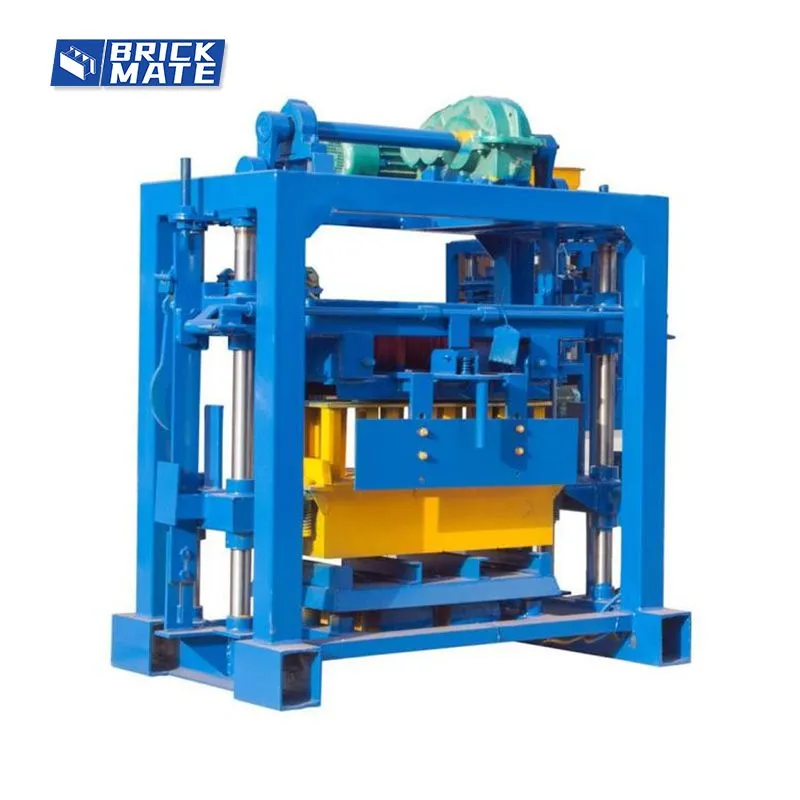
Definition of Cement Brick Making Machine
A cement brick making machine is a specialized device that compresses a mixture of cement, sand, and aggregate to create bricks. The process involves various mechanical operations, including mixing, shaping, and curing. According to a study by the International Journal of Advanced Manufacturing Technology, the use of automated cement brick production can enhance product consistency and quality, reducing defects by up to 15% compared to traditional manual methods.
Industry Term Analysis
- Hydraulic Press: This component is used in many cement brick machines to compact the raw materials, ensuring high density and strength of the finished bricks.
- Curing Process: This refers to the hydration process that cement undergoes to develop strength. The optimal curing period enhances the final product's durability.
- Mold: The mold is vital in shaping the bricks into specific dimensions. The precision of the mold directly affects the final brick's strength.
Application Scenarios for Cement Brick Making Machines
Cement brick making machines are widely used in several fields:
- Construction: In residential and commercial construction, these bricks are favored due to their thermal insulation properties and strength.
- Road Development: The durability of cement bricks makes them ideal for creating sturdy roads and pavements.
- Landscaping: Their aesthetic appeal lends itself well for outdoor landscaping applications.
- Infrastructure Projects: Large-scale infrastructure projects often utilize cement bricks for their cost-effectiveness and reliability.
Advantages of Cement Brick Making Machines
The significance of cement brick making machines in today’s market cannot be overstated. Here are some key advantages:
- High Production Capacity: Automated cement brick making machines can produce approximately 10,000 bricks in a single shift, significantly increasing operational efficiency.
- Cost-Effectiveness: The average return on investment for a cement brick machine is around 2-3 years, depending on production scales, which is considerably better than traditional construction materials.
- Sustainability: By utilizing industrial by-products like fly ash, cement bricks can be up to 30% more eco-friendly than traditional clay bricks.
Next Steps: Reading the User Guide
To further leverage the advantages of a cement brick maker machine, we recommend reading the user guide provided by Linyi Brick Mate Machinery. This guide will offer detailed instructions on operation, maintenance, and safety measures that will optimize your use of the machine.
FAQ
1. What factors affect the production capacity of cement brick making machines?
Several factors contribute to this, including the quality of raw materials, machine technology, mold design, curing conditions, and operational efficiency.
2. How do I choose the right cement brick making machine?
Consider the level of automation, production capacity, and specific requirements of your project before purchasing.
3. Can I use recycled materials in cement brick production?
Yes, utilizing recycled industrial materials can enhance sustainability and reduce production costs.
For further understanding, you can try visiting Linyi Brick Mate Machinery's official website to explore various models and options tailored to your specific construction needs. By adopting this technology, you can contribute positively to sustainable construction practices.


评论
发表评论